
In the healthcare industry things are changing fast. Clinics that use a lot of technology are always looking for ways to manage their revenue cycle better. One of the changes is the use of Artificial Intelligence in medical billing in 2026 especially with predictive analytics. This technology is changing the way clinics find and prevent claim denials before they even happen. This saves time reduces costs and improves cash flow.
The Growing Challenge of Claim Denials
Claim denials are a problem in medical billing. Mistakes in coding, missing documents, eligibility issues and rules that are specific to each payer often lead to rejected claims. In the past clinics would only deal with denials after the claim had already been rejected. This approach leads to delayed payments, work for administrators and lost revenue.
For clinics that use a lot of technology this old way of doing things is no longer acceptable. They need solutions that can prevent problems before they happen. This is where predictive analytics comes in which is powered by Artificial Intelligence.
What is Predictive Analytics in Medical Billing?
Predictive analytics uses data, machine learning algorithms and real-time information to forecast what might happen in the future. In billing it looks at past claim data how payers behave and billing patterns to figure out if a claim is likely to be denied before it is even submitted.
By using Artificial Intelligence in billing in 2026 clinics can find potential issues such as:
- Incorrect coding
- Missing patient information
- Errors in eligibility verification
- Not following payer policies
This allows billing teams to fix mistakes before they happen which greatly increases the chances of a claim being accepted the first time.
How Artificial Intelligence Forecasts Denials
Artificial Intelligence systems in billing platforms are designed to keep learning and improving. Here is how they work:
- Gathering and Analyzing Data
Artificial Intelligence collects data from sources, including Electronic Health Records, billing systems and payer databases. It looks at a lot of unstructured data to find patterns that are associated with denials.
- Finding Patterns
Machine learning models find trends, such as reasons for denials rules that are specific to each payer and coding mistakes that are specific to each provider. For example if a certain code often leads to denials for an insurer the system flags it.
- Scoring Risks
Each claim is given a risk score based on how it is to be denied. Claims that are at risk are flagged for review before they are submitted.
- Real-Time Alerts and Recommendations
Artificial Intelligence tools provide insights, such as suggesting corrections to codes prompting for missing documents or verifying insurance eligibility in real time.
Benefits for Clinics that Use a Lot of Technology
Using Artificial Intelligence in billing in 2026 has many advantages for clinics that prioritize innovation and efficiency:
- Fewer Denials
By finding mistakes before claims are submitted clinics can reduce denial rates. Improve the number of clean claims.
- Faster Revenue Cycles
Fewer denials mean payments, which improves cash flow and financial stability.
- Less Administrative Work
Automation reduces the need for reviews and rework allowing staff to focus on more important tasks.
- Better Accuracy and Compliance
Artificial Intelligence ensures that clinics follow changing payer rules and coding standards which reduces compliance risks.
- Making Decisions Based on Data
Clinics get insights into their billing performance, which helps them improve continuously.
Real-World Examples
Many clinics that use a lot of technology are already using analytics in their billing workflows. For example:
- Automated tools that check claims for errors before they are submitted and flag mistakes instantly
- Dashboards that use Artificial Intelligence to show trends in denials by payer or procedure
- Systems that suggest coding changes based on how successful they have been in the past
These examples show how Artificial Intelligence is not a helpful tool but a key part of managing revenue cycles.
Challenges to Consider
While the benefits are compelling using analytics is not without challenges:
- Initial. Integrating with existing systems
- Issues with data quality and standardization
- Training staff to use Artificial Intelligence tools
However for clinics that are committed to changing with technology these challenges are outweighed by the long-term benefits.
The Future of Artificial Intelligence in Medical Billing
Looking Artificial Intelligence in medical billing in 2026 will become even more advanced. Future systems will not predict denials but also automate entire workflows from creating claims to posting payments. Integrating with natural language processing and advanced analytics will further improve accuracy and efficiency.
Clinics that adopt these innovations early will have an advantage, which will lead to operations and better financial outcomes.
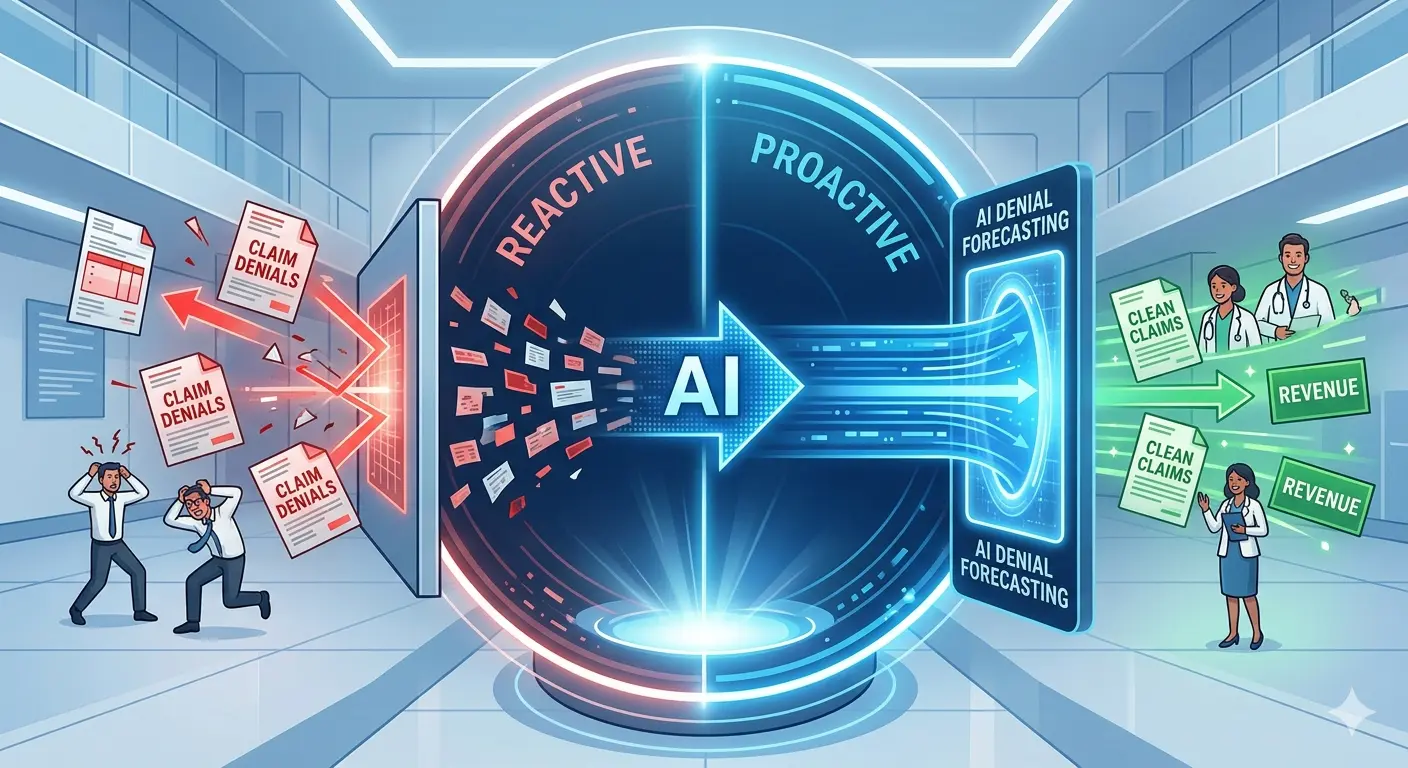
Predictive analytics is changing the way clinics handle billing. By moving from a reactive, to an approach Artificial Intelligence enables healthcare providers to forecast and prevent claim denials before they happen. For clinics that use a lot of technology using Artificial Intelligence in billing in 2026 is no longer optional. It is a necessity.
Investing in analytics today means fewer denials, faster payments and a more stable revenue cycle tomorrow.